My First Easter SVG
A Designer’s First Stitch Test—Does It Hold Up in Real Life?
I pulled My First Easter SVG off my desktop last week while prepping a batch of custom embroidered tote bags for a local nursery boutique. Not just any totes—these were heavyweight cotton canvas, meant to hold Easter baskets, baby blankets, and spring storybooks. The client wanted something joyful but not cutesy, nostalgic but not dated, and above all: stitchable. That’s when I opened My First Easter SVG—and paused.
First Impression: Sweet, Simple, and Surprisingly Cohesive
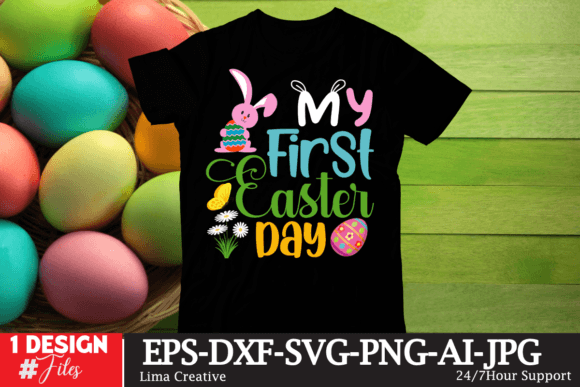
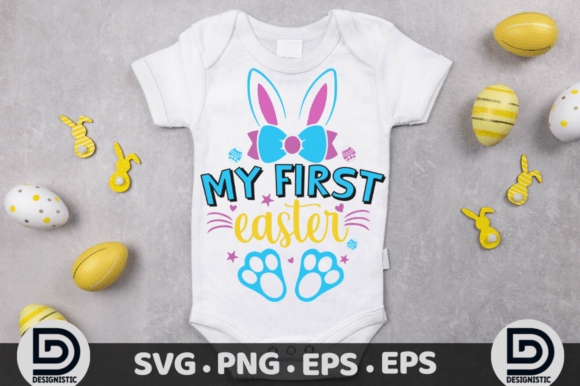
The design reads instantly: a rounded egg shape cradling a smiling Easter bunny with soft ears, a tiny bow, and the phrase “My First Easter” arched gently above it. No clutter. No excessive flourishes. The line weight is consistent, the curves are smooth—not jagged or over-digitized—and the spacing between letters feels intentional, not cramped. As a machine embroidery design, that matters more than you’d think. Too-tight lettering invites skipped stitches on knit fabrics; uneven curves cause tension wobbles on curved surfaces like caps or pillow covers.
This isn’t a retro Easter SVG trying too hard to mimic 70s typography, nor is it a Christian Easter design loaded with crosses or doves. It sits comfortably in the middle—family-friendly, faith-adjacent, and age-neutral enough for baby embroidery *and* adult aprons. I immediately pictured it stitched on a cream linen tea towel, a pastel sweatshirt for toddlers, or even as an embroidered patch sewn onto a denim jacket.
Where It Shines—and Where It Needs Care
My First Easter SVG works best when treated like a trusted staple—not a showstopper, but a reliable, warm-hearted accent. Here’s how it performed across real project types:
- Tote bag design: Excellent. The balanced proportions fill a 4"–5" hoop cleanly, and the open negative space around the egg keeps stitch density manageable—even on thick canvas. No puckering, no thread nesting.
- Sweatshirt embroidery: Solid on midweight fleece. Used tear-away + light cutaway stabilizer, and the satin-stitched bunny outline held crisp definition without stiffness.
- Baby embroidery: Ideal for onesies and burp cloths. The rounded shapes avoid sharp corners that snag delicate skin, and the font size (approx. ¾" tall) stays legible after washing.
- Embroidered patch: Clean edges, minimal underlay—transfers well to iron-on backing. Just trim close and seal the edges.
- Holiday gift & boutique product: Customers respond to its sincerity. It doesn’t scream “Easter sale”—it whispers “first memory.” That builds trust faster than glittery, overdesigned alternatives.
Watch These Details Before You Stitch
Like any good embroidery file, My First Easter SVG rewards attention—not assumptions. Here’s what I checked before cutting fabric:
- Test on scrap first, especially if using textured fabric (like terry cloth towels) or stretchy knits (baby rib). The bunny’s ear tips and bow loops are small—but not micro-detail. They’ll hold at 3x zoom in your embroidery software, but still need proper stabilizer support.
- Thread colors matter more than usual. The design relies on contrast: light lettering against a darker egg, or vice versa. On dark fabric, avoid pale pastels for the text unless you add white underlay. I ran a quick black-and-white mockup—it confirmed readability stays strong even without color context.
- Hoop size isn’t specified in the listing, but the layout fits comfortably in a 5" round or 4"x4" square hoop. If you’re stitching on curved surfaces (caps, mugs, or curved pillow seams), test placement—this design doesn’t wrap well.
- Stitch density is moderate, not heavy. That’s great for breathable fabrics and frequent-wash items (think kitchen towels or kids’ clothes), but means it won’t mask low-thread-count cottons. Use medium-weight cutaway for thin tees.
- Licensing? Confirm before selling. The product description lists “Easter Bundle” and “Kids Easter Svg,” but doesn’t state commercial use terms outright. As a craft business owner or Etsy seller, always verify whether this digital embroidery file permits finished-product resale—or if it’s limited to personal use.
More Than a Graphic—It’s a Handmade Product Signal
In my 12 years designing for makers, I’ve learned one thing: customers don’t buy embroidery files—they buy confidence. Confidence that the finished product will look intentional, not rushed. That the baby onesie won’t unravel after two washes. That the boutique tote feels special, not mass-produced.
My First Easter SVG delivers that quietly. Its simplicity avoids visual fatigue. Its theme lands without leaning into kitsch. And because it’s part of a broader Easter Kids SVG bundle, it pairs naturally with coordinating designs—say, an Easter Egg SVG for a matching pillow cover, or a Spring SVG for a nursery wall hanging. That cohesion strengthens brand consistency across small shop product lines.
It also performs well in printable mockups. The clean outlines and balanced composition scale cleanly from 2" patches to 8" sweatshirt chest placements—no pixelation, no awkward cropping. For Etsy sellers building listings fast, that saves real time.
Final Thought: A Quiet Workhorse, Not a Flashy Star
This isn’t the most intricate machine embroidery design in your library. It won’t win awards for technical complexity. But it’s the kind of design I reach for when I need warmth, clarity, and quiet professionalism—all in one file. It suits handmade product creators who value intention over intensity, and customers who want meaning—not just motif.
If you’re choosing My First Easter SVG for a real project—whether it’s a personalized gift, holiday merchandise, or your next Etsy bestseller—treat it like a trusted collaborator. Test it. Tune it. Trust its balance. Then let it do what it does best: make Easter feel gentle, genuine, and stitched just right.